Chassis Fees & the Chassis Split, Explained
A container can't move without a chassis — and that chassis is rarely free. Here's what it is, how chassis pools work, and why the "chassis split" shows up on your drayage invoice.
Look closely at a drayage invoice and you'll almost always find a chassis line. For many importers it's the most puzzling charge on the bill — after all, isn't the chassis just part of the truck? Not quite. Understanding chassis fees is one of the easiest ways to make sense of your drayage cost.
What is a chassis?
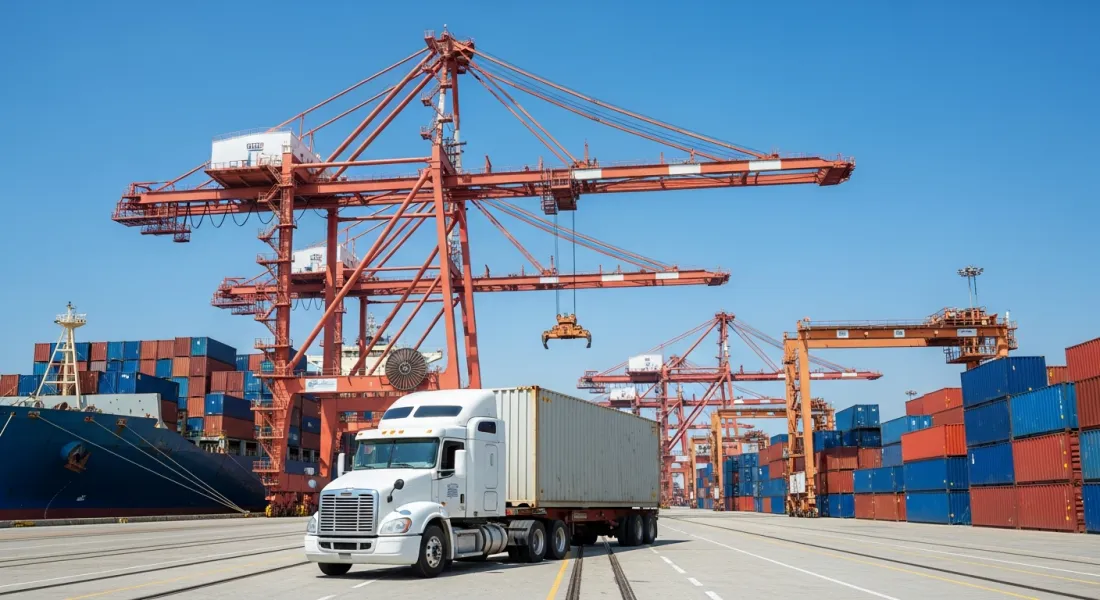
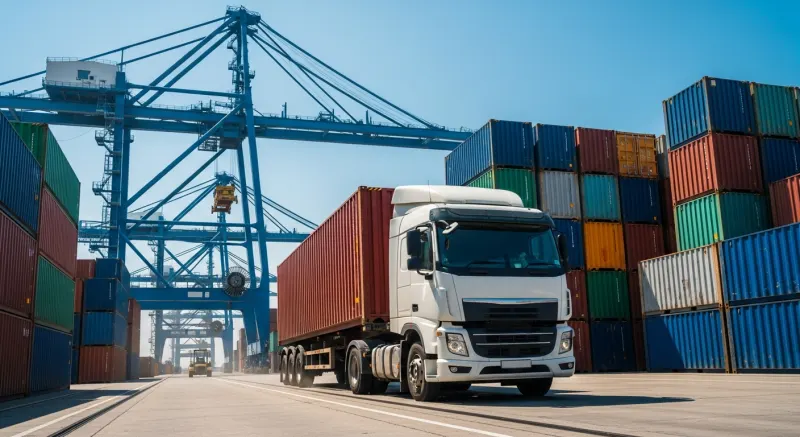
A chassis is the wheeled steel frame that a shipping container sits on so a truck can haul it. Ocean containers don't have wheels of their own — they're just boxes. To move one over the road, the driver locks it onto a chassis. Without a chassis, the container simply can't go anywhere by truck.
Chassis come in different specs: standard 40ft frames, tri-axle chassis for overweight loads, and specialized frames for out-of-gauge or reefer containers. The equipment your freight needs affects both availability and cost.
Who owns the chassis?
This is where it gets complicated. In many markets, trucking companies no longer own the chassis they use. Instead, chassis are supplied through chassis pools — shared fleets managed by leasing companies. When a driver needs a chassis, they draw one from the pool and the daily rental is billed for as long as the chassis is in use. That rental is passed through to you as a chassis fee.
Some steamship lines provide chassis with certain containers, and some carriers own or lease their own. But pooled chassis are common, and pooled chassis mean per-day rental costs that flow onto the drayage invoice.
The "chassis split" — and why it costs extra
A chassis split happens when the chassis and the container are not in the same place. Ideally, a driver pulls into the terminal, grabs a chassis right there, mounts the container, and rolls out — one smooth trip. But when the terminal doesn't have chassis available on site, the driver has to make a separate stop at an off-site pool or depot to pick up (and later drop off) the chassis.
That extra stop is the "split." It means additional driving, additional time and additional handling — so it carries a chassis split fee. In congested markets, chassis splits are a leading cause of both higher costs and slower turn times.
A chassis split is really a fee for geography — the chassis and the box starting in different spots, forcing an extra trip to bring them together.
Common chassis charges you might see
- Chassis rental / usage — a daily rate for the days the chassis is in service on your move.
- Chassis split fee — the surcharge when the chassis must be picked up separately from the container.
- Specialized chassis premium — for tri-axle or other equipment needed on overweight or out-of-gauge containers.
- Extended usage — additional rental days if the chassis stays out longer, often tied to the same delays that cause per diem.
How chassis fees affect your drayage cost
Chassis costs are one of the reasons two carriers can quote different numbers for the same lane — their access to on-terminal chassis, pool agreements and equipment mix all differ. They're also why a rate can creep up after the fact: the longer a chassis stays in use because a container is sitting at your dock, the more rental days accumulate. That ties chassis fees directly to how fast the whole move turns, which is the same discipline that keeps demurrage and per diem down.
Keeping chassis costs in check
- Unload and return promptly so chassis rental days don't pile up.
- Give your carrier full details early — container type and weight — so the right chassis is arranged from the start, avoiding a scramble that forces a split.
- Work with a local carrier that knows the pool situation at each terminal and can minimize splits.
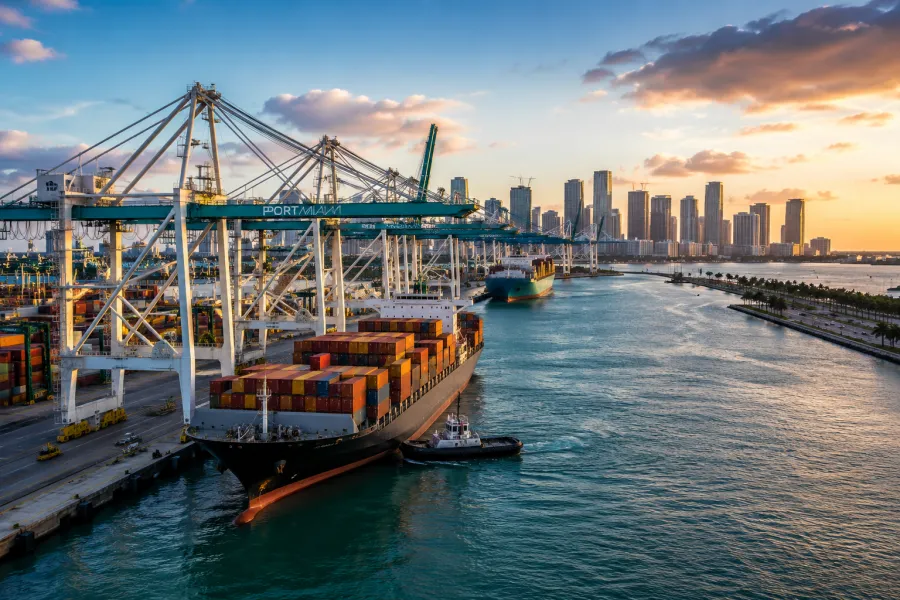
OnTrak is a licensed, insured, hazmat-certified drayage carrier based in Doral, running dedicated teams at PortMiami and Port Tampa Bay with the equipment to match your freight — including tri-axle chassis for overweight and specialized container drayage. Want a clear, itemized quote with chassis costs spelled out? Request a drayage quote and we'll break it down.
Ready to move your freight?
Tell us the container, terminal and lane — OnTrak dispatch responds fast, every time.