Drop-and-Pick vs Live Unload: Which Is Right for You?
There are two ways to take delivery of a drayage container. The right one depends on your dock speed, your labor, and how you want to manage cost and equipment time.
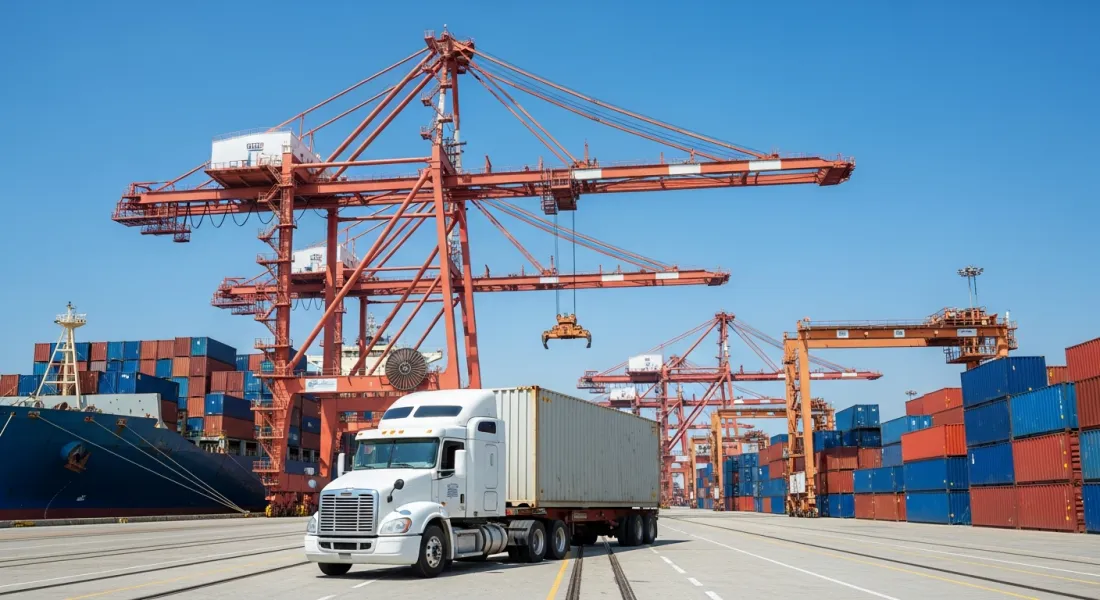
When a drayage carrier delivers your container, you choose how the handoff works. Do you unload it while the driver waits, or have the driver leave it and come back later? These two options — live unload and drop-and-pick — sound like a small logistics detail, but they shape your costs, your labor planning and your exposure to fees. Here's how to choose.
What is a live unload?
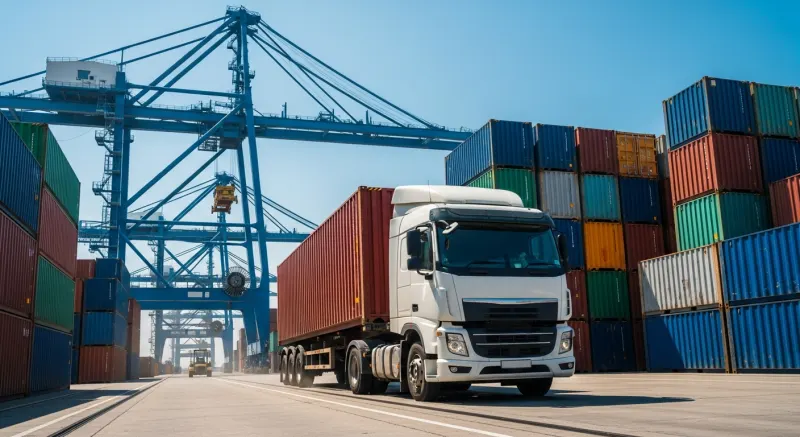
In a live unload, the driver delivers the container to your facility and stays with it while your team unloads. Once the container is empty, the same driver takes it — and the chassis — straight back to the terminal. Everything happens in one visit.
The catch is time. Drivers include a free window — often around two hours — for the unload. If your dock takes longer, wait time (detention) is billed by the hour, and the meter runs until the box is empty.
What is drop-and-pick?
In a drop-and-pick (sometimes "drop and hook"), the driver drops the loaded container at your facility and leaves. Your team unloads on its own schedule, and the carrier returns later — often the next day — to pick up the empty and return it to the terminal.
This decouples the driver's schedule from your unloading speed. The trade-off is that the container (and often the chassis) stays at your yard longer, which uses more equipment time and requires the space to store it.
Live unload: pros and cons
- Pro — one trip. A single visit means no second pickup fee and a fast empty return, which helps hold down per diem and chassis rental days.
- Pro — no yard space needed. The container never lingers at your facility.
- Con — wait-time risk. Slow unloading racks up detention charges quickly.
- Con — schedule pressure. Your crew has to be ready the moment the driver arrives.
Drop-and-pick: pros and cons
- Pro — unload on your schedule. No driver waiting, no wait-time clock, no rush on your dock crew.
- Pro — smoother operations. Great for high-volume facilities that receive many containers and want to level out labor.
- Con — more equipment time. Holding the container and chassis longer can add rental days and, if you're slow, per diem.
- Con — needs space and a second trip. You need room to park the box, and there's a return move to collect it.
Live unload trades your time flexibility for lower equipment cost. Drop-and-pick trades a little equipment cost for a lot of scheduling freedom.
When each one makes sense
Choose a live unload when you can unload quickly (within the free window), you don't have room to store a container, or you want the empty back at the terminal as fast as possible to minimize per diem and chassis days. It's often the better fit for lighter volumes and quick-turn cargo.
Choose drop-and-pick when your unloading is slow or unpredictable, you handle steady container volume, you have yard space, and you'd rather avoid detention by taking the driver's clock out of the equation. Warehouses and distribution centers frequently prefer it.
A third option: transloading
If neither fits — say your dock is slow but you also can't afford to tie up the ocean container — transloading is worth a look. The cargo is transferred out of the ocean container into trucks or a warehouse, so the container returns to the terminal right away. It's a powerful way to stop the per diem clock when unloading can't keep pace. See demurrage vs per diem for how that fits the bigger fee picture.
The bottom line
There's no universally "right" choice — only the right choice for your facility on a given load. A good carrier will help you weigh dock speed, volume, space and free-time clocks, then plan each move accordingly.
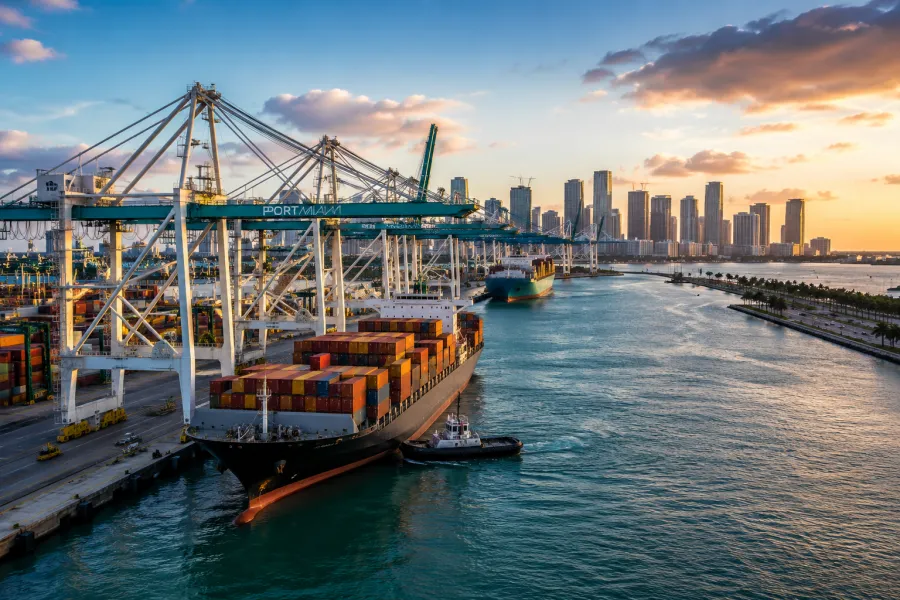
OnTrak is a licensed, insured, hazmat-certified drayage carrier based in Doral, handling both live unload and drop-and-pick at PortMiami and Port Tampa Bay. Not sure which fits your operation? Request a quote and our dispatch team will help you decide, or explore our full container drayage service.
Ready to move your freight?
Tell us the container, terminal and lane — OnTrak dispatch responds fast, every time.